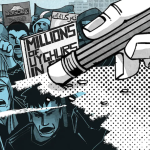

“Media coverage of Muslims is often dominated by terms like ‘political Islam,’ ‘radicalization,’ or ‘failed integration.’ Such narratives can make even highly educated Muslim citizens feel they must distance themselves from global conflicts or extremist acts.”
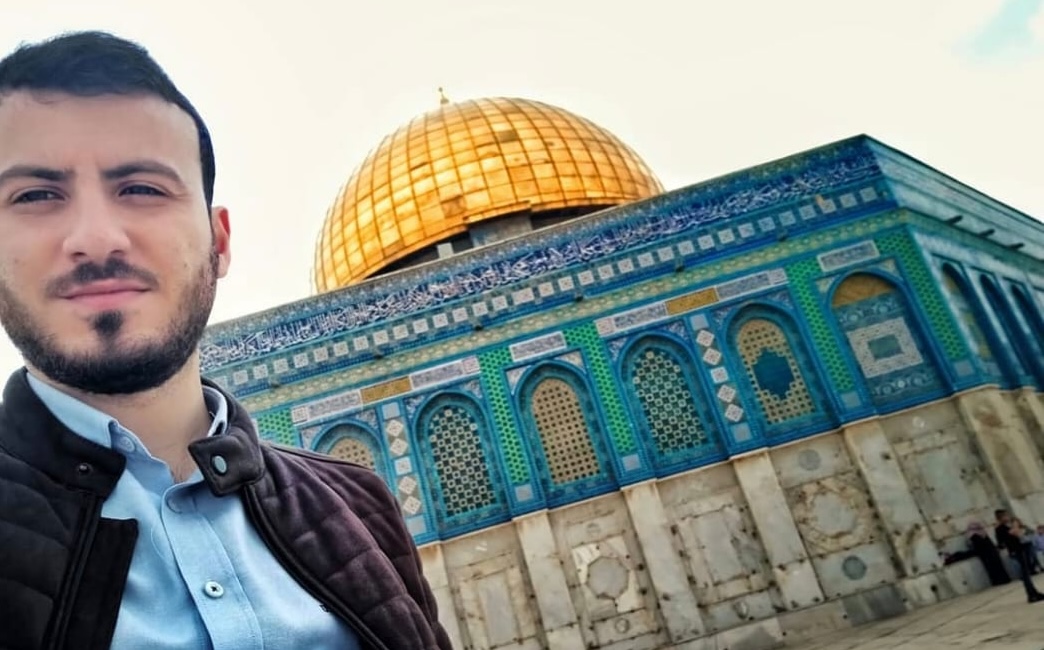
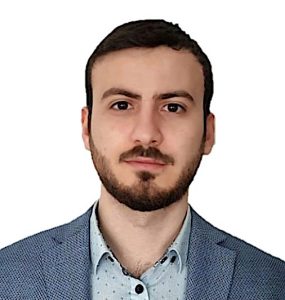 Ömer Eren, an electrical engineering graduate living in Vienna, Austria, offers a different perspective on Islamophobia. He is head of foreign affairs at the European Youth Association (Avrupa Gençlik Derneği, AGD), one of Europe’s largest youth organizations.
In a conversation with Islamophobia Monitor, Eren shared his insights on the rising Islamophobia in Austria, the challenges faced by Muslim youth, and what can be done to foster understanding. Here are some highlights from the discussion:
Austria is often described as a liberal, democratic European country. Yet in recent years, there has been a growing debate about Islamophobia. As someone living in Vienna, what changes—if any—have you noticed in everyday attitudes toward Muslims?
Over the last two decades, a shift in perception has taken place in Vienna. While the focus was previously on ethnic origin, a distinct “religion-centering” has occurred. In everyday life, this manifests less through open confrontation and more through subtle social distancing. The public visibility of religious symbols, particularly the headscarf, has become a central point of debate. The former lightheartedness regarding one’s own religious identity has given way to increased vigilance.
Critics argue that some political parties and media outlets in Austria frame Islam and Muslims as issues of security or national identity. In your view, how much have these political and media narratives influenced public perceptions?
The so-called “security framing”, the portrayal of Islam primarily in the context of security issues, has profoundly shaped public perception. Media reporting is dominated by terms such as “political Islam,” “radicalization,” or “failed integration.” These narratives lead even highly qualified Muslim citizens to feel they must permanently distance themselves from global conflicts or extremist acts. Even in professional work environments, Muslims are often addressed as representatives of their entire religious community.
Vienna is widely seen as a multicultural city with a significant Muslim population. Despite this, do Muslims experience discrimination or heightened scrutiny in daily life or within institutions? If so, could you share some examples that stand out?
Despite Vienna’s multicultural self-image, structural discrimination exists. This is particularly evident in the private housing market and the labor market. Women wearing a headscarf face significant hurdles, often experiencing a “double discrimination” based on both their gender and their religious visibility. Within institutions, integration is often conditional upon making religious needs invisible, and the debate over headscarf bans in schools or public service reinforces the feeling of being excluded from society.
There has also been debate in recent years about increased monitoring or restrictions affecting mosques, Islamic institutions, and Muslim organizations in Austria. How have these policies affected the Muslim community’s sense of safety, belonging, and participation in Austrian society?
Measures such as the establishment of the “Documentation Center for Political Islam” or the tightening of the Islam Act have, paradoxically, weakened rather than strengthened the sense of security within the Muslim population. Many Muslims feel placed under general suspicion. This leads people to withdraw from civil society associations or volunteer work out of concern that harmless activities could be misinterpreted by state monitoring agencies. This loss of trust makes it harder for people to feel like they truly belong to the country.
Looking ahead, what practical steps should Austrian society and its government take to address Islamophobia? What would need to change for Muslim citizens to feel fully equal, secure, and included?
To achieve real equality, a shift from symbolic politics toward structural reforms is required. A central step would be the introduction of anonymized application processes in public and large private companies to prevent discrimination based on names or photos. Furthermore, the political focus should move away from restrictive debates on religious clothing and toward ensuring that Muslim women have equal access to all professional fields without facing prejudice. The “Islam Act” should also be changed to ensure legal equal treatment with other recognized religious communities, without discriminatory special rules. Finally, a stronger representation of Muslims in state leadership positions is necessary to reflect societal reality and dismantle stereotypes.