
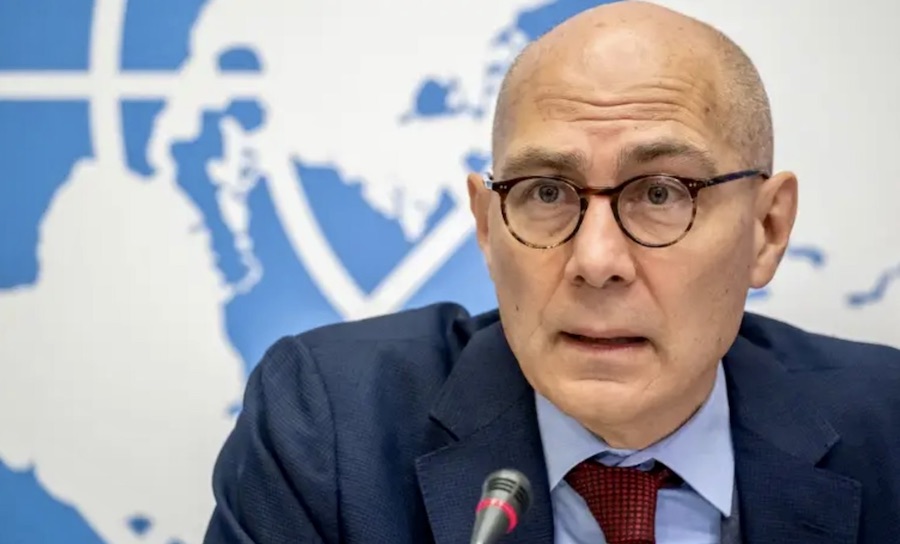
The United Nations High Commissioner for Human Rights, Volker Türk, has warned that Islamophobia is increasing worldwide. According to him, Muslims are facing growing harassment, discrimination, and violence in public spaces, workplaces, and online platforms.
Marking the International Day to Combat Islamophobia, Türk said recent studies show a significant rise in incidents targeting Muslims around the world. He noted that the ongoing war in the Middle East has also fueled a surge in Islamophobic content on social media.
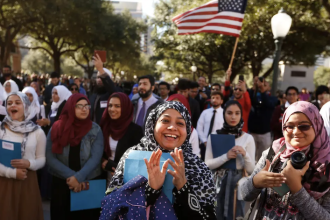
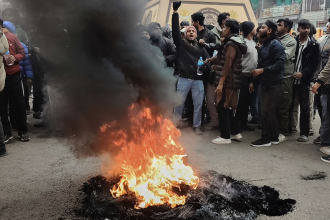
“Muslims are attacked in the street and at school, mosques are vandalized, and hateful comments are spread on social media,” Türk said. He added that women and girls who wear the hijab are often particularly targeted.
He also warned that discrimination against Muslims in some countries extends beyond individual acts of prejudice. In certain places, bias appears in employment, housing, health care, and other essential services, and in some cases, it is even embedded in national laws.
Türk also criticized what he described as the misuse of counterterrorism policies by some governments to justify increased surveillance, detention, and profiling of Muslim communities. He said that in certain places, border and immigration authorities disproportionately scrutinize travelers from Muslim-majority countries.
According to Türk, Islamophobia has deep historical roots tied to colonialism and longstanding religious tensions. Colonial powers often fostered fear and mistrust between people of different faiths as part of a strategy of “divide and rule.” He said similar patterns can still be seen in political rhetoric today.
“When Governments, politicians, and other leaders dehumanize Muslims and scapegoat them for all of society’s ills, it is no surprise that some ordinary people feel empowered to express hatred and hostility against Muslims in daily life,” he said.
Türk welcomed steps taken by some countries to address the issue through hate-crime legislation and public awareness campaigns, but stressed that stronger measures are still needed.
He said states have a responsibility to protect Muslims and other religious groups from violence and discrimination. This includes adopting comprehensive laws and ensuring accountability for those responsible for hate crimes. He emphasized that Islamophobia must be treated with the same seriousness and urgency as other forms of religious hatred, including antisemitism and the persecution of Christians.
Türk also called on technology companies to play a more active role in removing hateful content from social media and cooperating with law enforcement in investigating hate crimes.
He added that governments should systematically track incidents targeting Muslims to better understand the scale of the problem. “In today’s data-driven age,” he said, “what isn’t counted often doesn’t count.”
“Each one of us needs to call out anti-Muslim hatred wherever we find it,” he said. “Our shared humanity rests on the foundation of the inherent dignity and equality of every person.”