
India’s film industry, Bollywood, was once celebrated for its entertainment value and compelling storytelling. Today, however, it is increasingly associated with a different identity—one shaped by Islamophobia and narratives built on propaganda.
In recent years, many Bollywood films appear to move away from nuanced storytelling, instead promoting a singular narrative that portrays Indian Muslims in a negative light. These films often construct exaggerated or misleading depictions, contributing to harmful stereotypes and deepening social divisions.
A closer look at contemporary releases suggests a broader shift within the industry, where cinema is being used not just as entertainment, but as a tool to shape public perception. Critics argue that this trend aligns with wider political narratives, raising concerns about the role of state influence in amplifying such messaging.
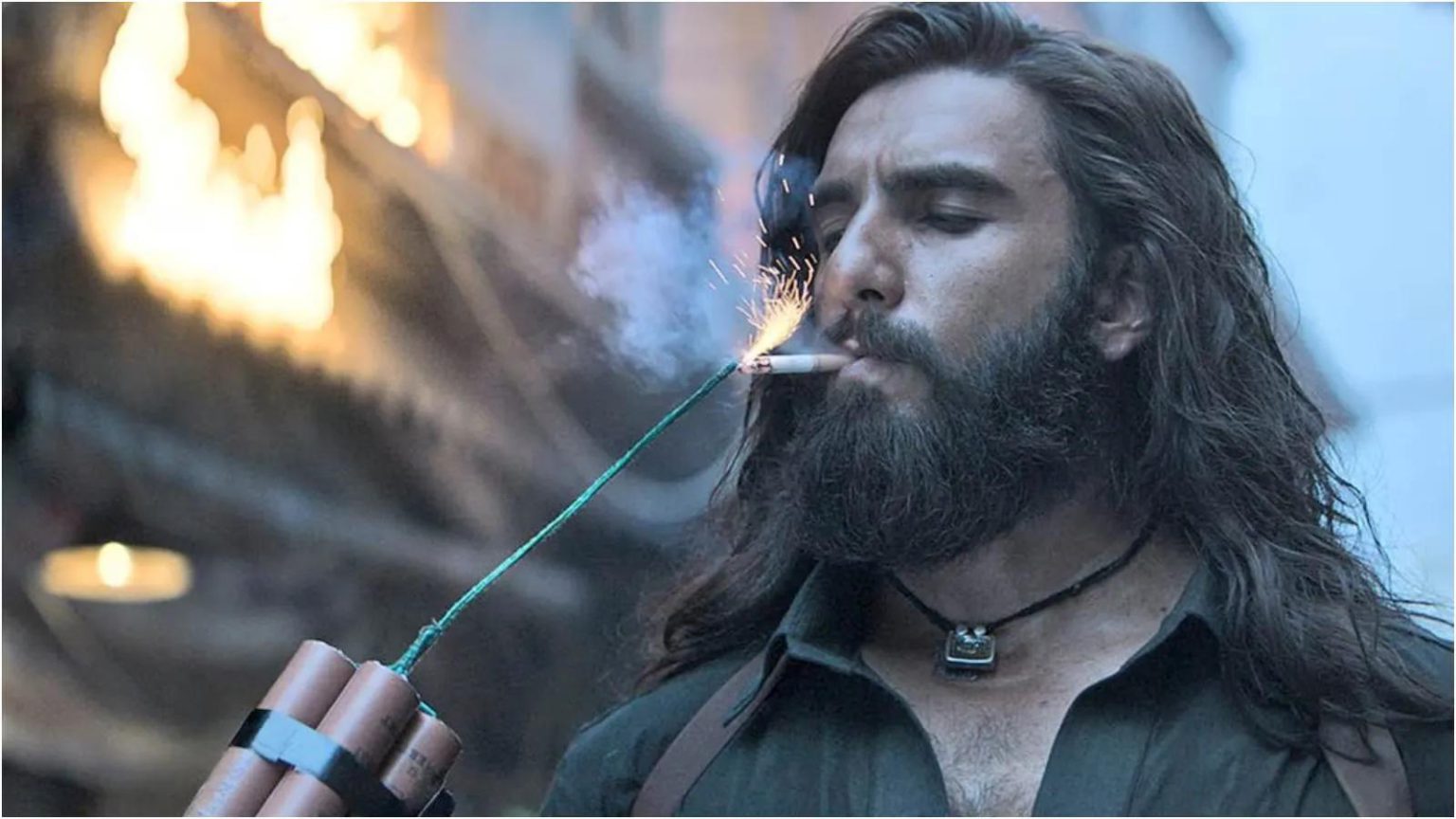
Continuing this pattern, the recently released “Dhurandhar 2: The Revenge” exemplifies these concerns. On the surface, the film presents itself as a high-energy patriotic action thriller. However, as the story unfolds, it reveals a more troubling undertone—one that equates nationalism with violence and frames heroism through the demonization of Muslims.
The film’s protagonist is a hyper-masculine “savior” operating in a world where Pakistanis, and by extension, Muslims, are depicted as symbols of terror, oppression, and moral corruption. Entire communities are painted with the same broad brush, reduced to enemies who must be eliminated. This is not accidental; it reflects a larger trend in which Islamophobia is being normalized and repackaged as entertainment and patriotism. Perhaps most concerning is how closely these narratives mirror the current political climate, subtly legitimizing prejudice while sidelining Muslim voices.
You should read this sharp and incisive critique by Aarthi Ramnath for feminisminindia.com, where she examines the growing presence of Islamophobia in mainstream Indian cinema. This is not merely a film review, it is a timely warning about the societal impact of such storytelling. When audiences begin to celebrate the version of “justice” portrayed on screen, it raises an urgent question: what kind of reality are we being conditioned to accept?
You can read the full review here: