
Global officials and experts at the Antalya Diplomacy Forum, Türkiye, issued a stark warning: Islamophobia is no longer confined to the fringes of society but is increasingly spread and intensified by the digital systems that shape daily life.
The gathering, held under the patronage of Recep Tayyip Erdoğan and organized by Türkiye’s Foreign Ministry from April 17 to 19, brought together political leaders, diplomats, and academics under the theme “Mapping Tomorrow, Managing Uncertainties.” One discussion in particular stood out for its urgency: how artificial intelligence and online platforms are accelerating anti-Muslim hatred.
In a panel titled “Bias at Scale: Digitalization of Islamophobia and Racism,” speakers said that algorithms—designed to maximize user engagement—are increasingly promoting hateful and discriminatory content.
Panelists described a system in which online hostility toward Muslims spreads rapidly, often with little restraint, shaping public opinion and at times leading to real-world discrimination. They warned that while Islamophobia has long existed in political and social spheres, digital platforms have now given it unprecedented speed and reach.
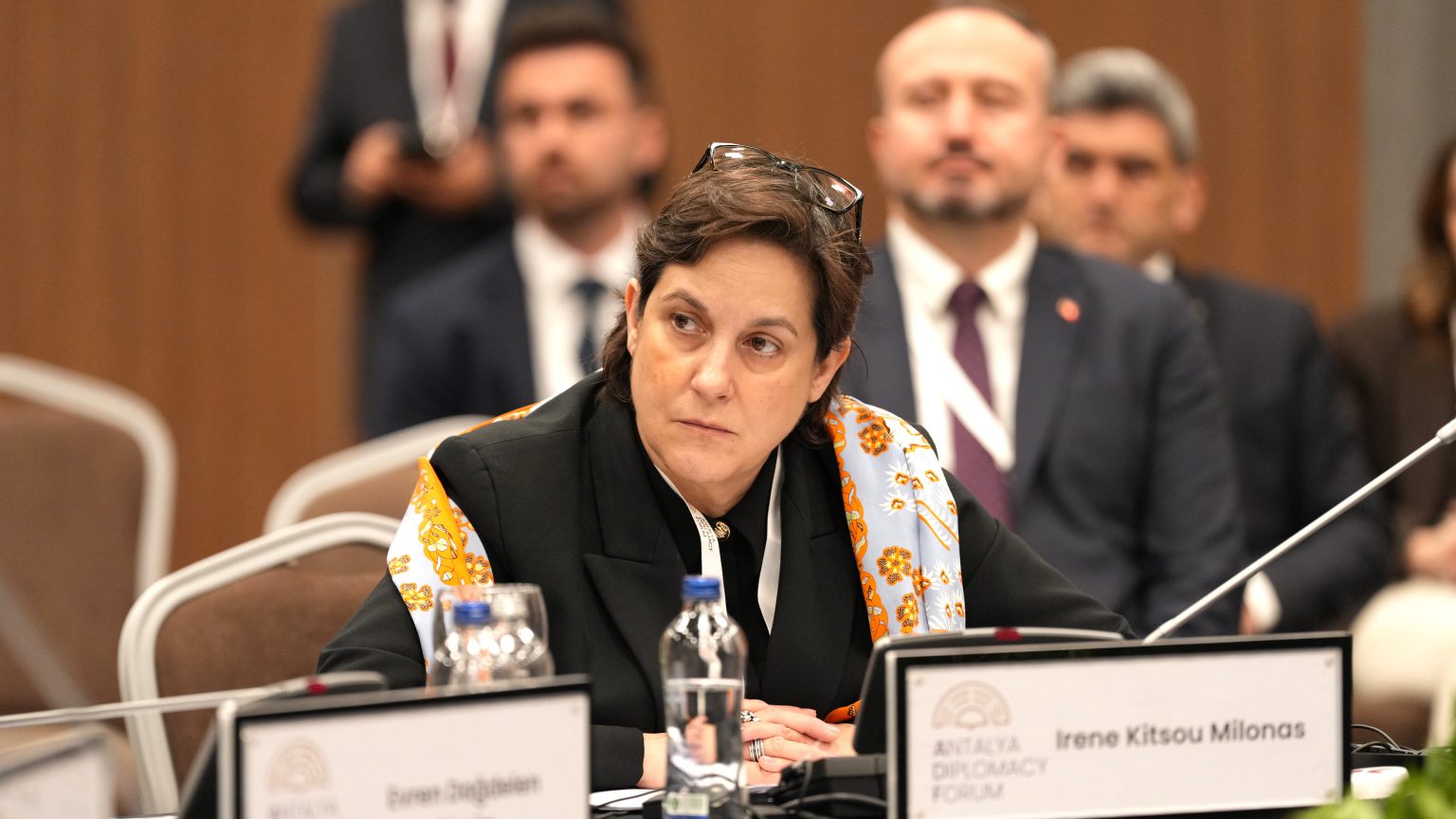
Officials from the Council of Europe stressed that legal frameworks are struggling to keep pace with rapidly evolving technology. Ms. Irene Kitsou-Milonas highlighted recent initiatives, including updated recommendations on combating hate speech and new guidelines aimed at holding technology companies accountable for harmful content while safeguarding freedom of expression.
These measures build on rulings by the European Court of Human Rights and emerging standards on artificial intelligence and human rights. Taken together, they represent an important—though still evolving—response to discrimination in the digital age.
However, panelists agreed that laws alone will not be enough. Addressing online Islamophobia, they said, will require cooperation among governments, technology companies, and civil society, as well as a deeper understanding of how digital systems can quietly amplify bias.
One conclusion stood out at the close of the forum: in an era increasingly shaped by algorithms, the fight against religious intolerance may depend as much on code as on policy.
You can read this news in detail here: